Nijhum Dwip
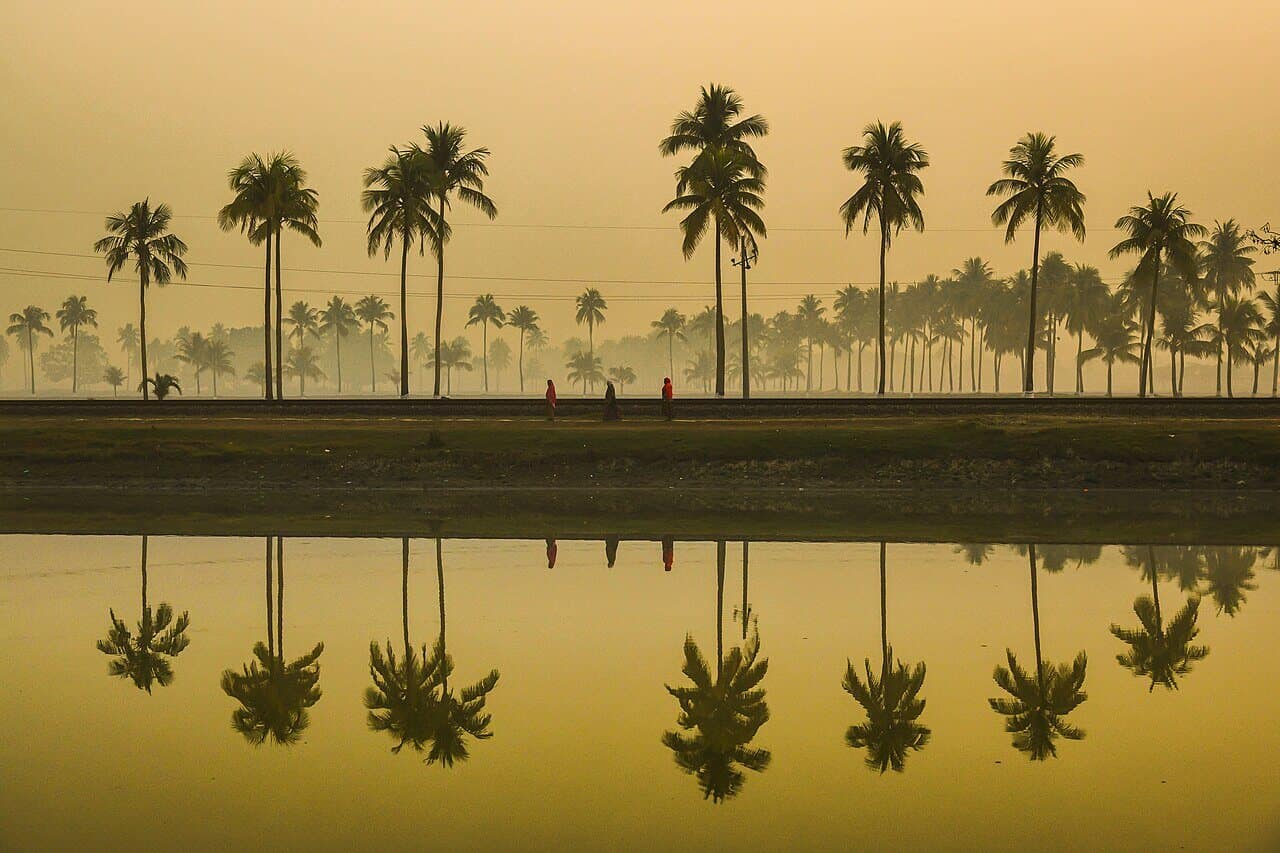
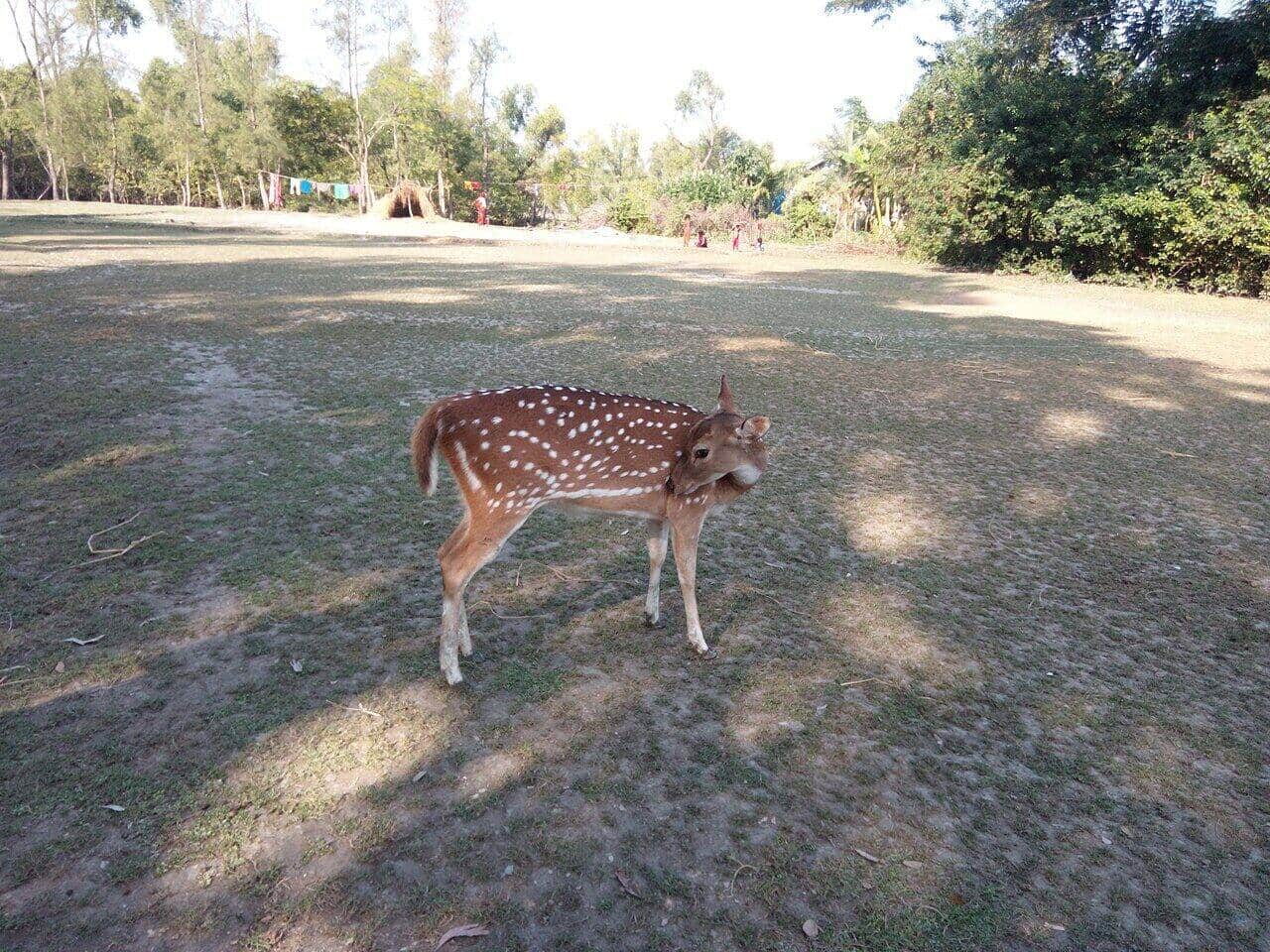
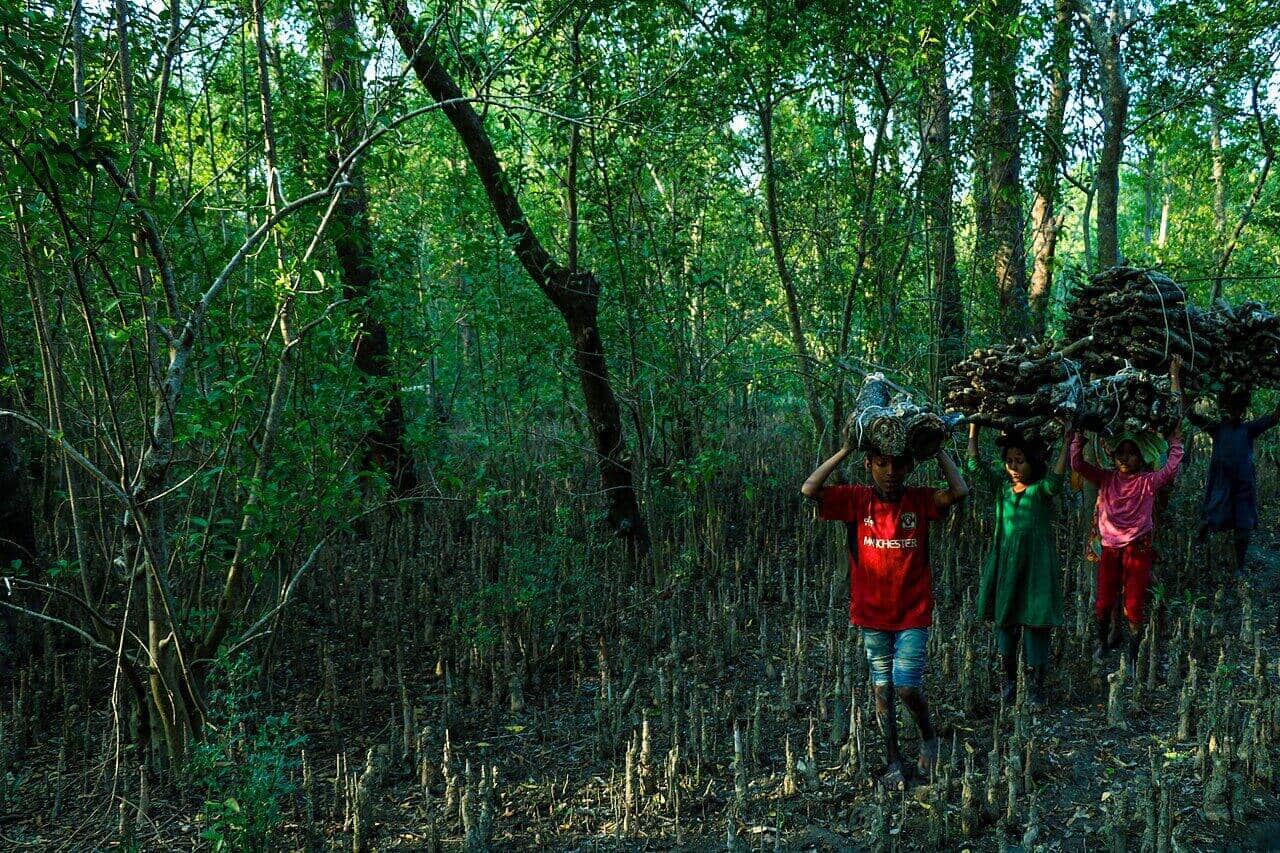
Photo: Sultan Ahmed Niloy · CC BY-SA 4.0
Nijhum Dwip is a cluster of young chars south of Hatiya's main island, built by sediment in the shallow Meghna estuary. It is administered as one of Hatiya Upazila's 11 unions and requires an additional water crossing from the main island. Published area and population figures vary by whether they count the union, dry land, intertidal land or surrounding chars, so this guide does not present one disputed number as exact.
The island has carried names including Char Osman before Nijhum Dwip—the ‘Silent Island’—became established. Accounts of its early settlement and naming vary, which is why local oral history should be read alongside government records rather than as a single settled chronology.
Forest Department afforestation turned parts of the young chars into keora-dominated coastal mangrove and woodland. Spotted deer were introduced and became the island's best-known large mammal; mudflats, canals, grassland and shallow water also support resident and migratory birds and estuarine life. Nijhum Dwip National Park protects terrestrial and intertidal habitat, while a 3,188 km² marine protected area declared in 2019 extends conservation into surrounding waters. Wildlife counts differ by survey and year, so sightings and population numbers should never be guaranteed.
Visitors come for forest, wildlife, tidal canals and open coast. Namar Bazar is the best-known beach area, while local boat and walking routes reach other chars and forest edges. November through February usually brings drier, more comfortable weather and migratory birds, but tides and weather still determine safe movement. A local guide is strongly recommended for forest or char routes.
Tourism can support local households, but the island is low-lying, erosion-prone and ecologically sensitive. Choose licensed transport and locally run services, keep distance from deer and birds, do not use flash or loud sound around wildlife, carry waste back, and confirm accommodation and the return crossing before departure.
Namar Bazar coast
The island's best-known beach area; conditions and shoreline shape change with tide and season.
Spotted-deer observation
Quiet early-morning observation may improve the chance of a sighting, but it is never guaranteed. Use a local guide and keep your distance.
Nijhum Dwip National Park
A protected mosaic of keora-dominated woodland, mudflat, canal, grassland and intertidal habitat.
Reaching Nijhum Dwip
A commonly used route crosses Chairman Ghat–Nalchira, continues south across Hatiya, then crosses water again. Confirm locally on the travel day.